생체 패치를 이용한 생식기 수술 후 회복
Release time: 2026-02-16
목차
In genital-related surgeries, biologic mesh has been increasingly used for soft tissue reconstruction and repair due to its excellent biocompatibility and regenerative properties. Compared with traditional synthetic materials, the postoperative recovery performance of biologic mesh is a key concern for both patients and clinicians.
Early Postoperative Recovery
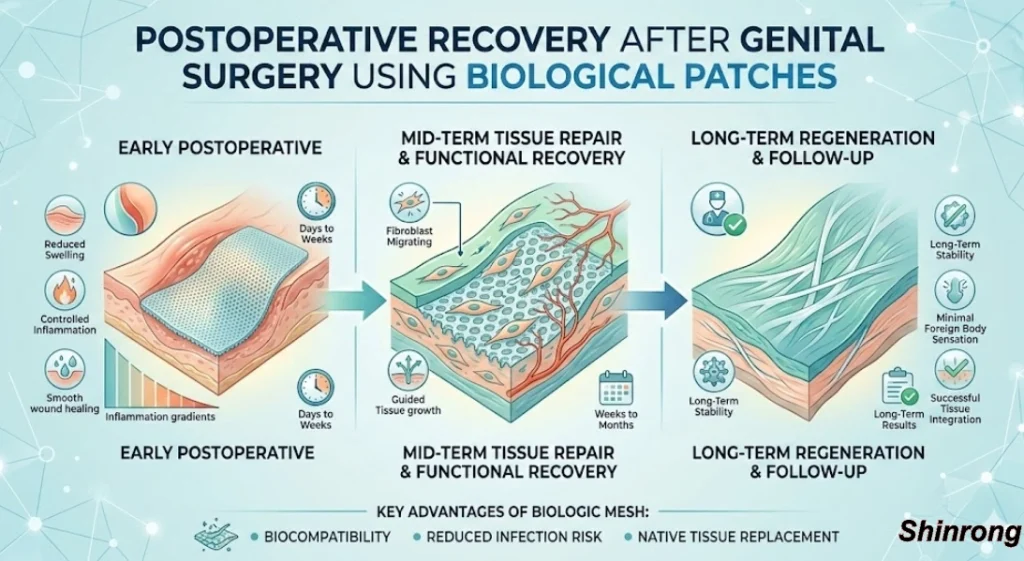
In the early postoperative stage, patients who receive biologic mesh generally experience a relatively smooth recovery. As biologic mesh is derived from natural tissues or specially processed biological materials, it demonstrates good compatibility with human tissue, resulting in a milder local inflammatory response. In most cases, postoperative swelling gradually decreases within a few days, and pain can be effectively managed with standard analgesic measures.
During this phase, clinicians closely monitor wound healing, local blood supply, and any signs of infection. The good conformability of biologic mesh provides stable support for the repaired area, creating favorable conditions for subsequent tissue regeneration.
Mid-Term Tissue Repair and Functional Recovery
In the midterm recovery phase, the advantages of biologic mesh in tissue repair become more apparent. Acting as a temporary scaffold, biologic mesh guides surrounding cell growth and gradually integrates with the patient’s own tissue. Over time, neovascularization and connective tissue reconstruction improve, contributing to the restoration of structural integrity in the genital region.
At this stage, some patients may gradually resume daily activities; however, strenuous exercise and excessive tension on the surgical site should still be avoided. Physicians typically provide individualized, step-by-step rehabilitation guidance based on the specific type of surgery to minimize the risk of complications.
감염 및 합병증 위험 관리
Compared with synthetic mesh, biologic mesh is generally considered to offer certain advantages in infection control when used in genital surgeries. Its biological properties make it more adaptable to complex or potentially contaminated surgical environments, helping to reduce the incidence of postoperative infections. Nevertheless, proper postoperative care remains essential, including strict adherence to aseptic procedures, appropriate use of antibiotics, and good personal hygiene practices.
Long-Term Recovery and Follow-Up
From a long-term perspective, biologic mesh is typically gradually absorbed or remodeled by the body and ultimately replaced by native tissue. This process helps reduce discomfort associated with permanent foreign materials and enhances long-term stability. Clinical follow-up data indicate that, when appropriate patient selection and standardized surgical techniques are applied, most patients achieve satisfactory recovery outcomes.
Overall Assessment
Overall, postoperative recovery following the use of biologic mesh in genital surgery is generally stable and manageable. Biologic mesh offers advantages in promoting tissue repair, reducing infection risk, and improving long-term comfort. However, recovery outcomes still depend on factors such as surgical type, individual patient differences, and postoperative management. Patients should undergo regular follow-up and rehabilitation under professional medical guidance.